


Understanding Slow Fashion in the UK - Slow Fashion Explained
- Olayinka Akinyemi

- Feb 20
- 4 min read
Slow fashion is more than just a trend. It’s a thoughtful approach to how we buy, wear, and care for our clothes. In the UK, this movement is gaining momentum as more people seek sustainable, versatile, and natural lifestyle accessories. I want to share what slow fashion means, why it matters, and how you can embrace it in your daily life.
Slow Fashion Explained: What It Means and Why It Matters
Slow fashion focuses on quality over quantity. Instead of rushing to buy the latest styles, it encourages us to choose pieces that last longer and have a smaller environmental footprint. This means buying fewer clothes, but better ones. It also means supporting brands that care about ethical production and sustainability.
In the UK, slow fashion is becoming a way to fight the waste and pollution caused by fast fashion. The fast fashion industry churns out cheap, disposable clothes that often end up in landfill. Slow fashion challenges this by promoting mindful consumption and respect for the planet.
By choosing slow fashion, you help reduce waste, lower carbon emissions, and support fair working conditions. It’s a win for the environment and for the people who make our clothes.

How to Identify Slow Fashion Brands in the UK
Finding slow fashion brands can feel overwhelming, but it’s easier than you think. Look for companies that are transparent about their materials and production processes. They often use natural fibres like organic cotton, linen, or wool, and avoid harmful chemicals.
Many UK brands also focus on local production to reduce their carbon footprint. This means clothes are made closer to home, supporting local workers and reducing transport emissions.
Check if the brand offers versatile pieces that can be styled in multiple ways. This helps you get more wear out of each item. Also, see if they encourage repair or recycling of their products.
Here are some quick tips to spot slow fashion brands:
Use natural, organic, or recycled materials
Produce clothes locally or ethically overseas
Offer timeless, versatile designs
Promote transparency about their supply chain
Encourage sustainable care and repair
Supporting these brands helps you build a wardrobe that aligns with your values and lasts longer.
What is an Example of Slow Fashion?
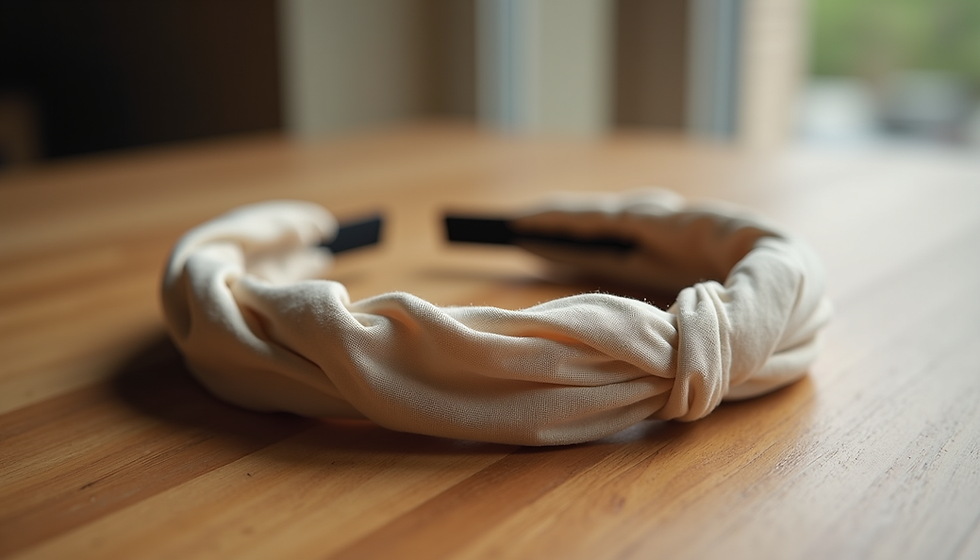
A great example of slow fashion is a classic, well-made headbandscarf. It’s a simple accessory that can transform your look without needing a whole new outfit. Brands like Ninkus create headbandscarves using sustainable fabrics and ethical practices. These scarves are designed to be versatile, durable, and easy to care for.
You can wear a headbandscarf in many ways - as a hair accessory, neck scarf, or even a wrist wrap. This versatility means you get more use from one item, reducing the need to buy multiple accessories.
Another example is a linen shirt made in the UK from organic flax. Linen is a natural fibre that breathes well and gets softer with each wash. Choosing such a piece means investing in comfort, style, and sustainability.

Practical Tips to Embrace Slow Fashion in Your Wardrobe
Switching to slow fashion doesn’t mean you have to overhaul your entire wardrobe overnight. Here are some practical steps you can take:
Audit Your Closet - Look at what you already own. Identify pieces you love and wear often. Consider donating or recycling items you no longer use.
Buy Less, Choose Well - When shopping, pick quality over quantity. Invest in timeless pieces that suit your style and lifestyle.
Care for Your Clothes - Follow care instructions carefully to extend the life of your garments. Learn simple repairs like sewing buttons or fixing hems.
Shop Local and Ethical - Support UK brands that prioritise sustainability and fair labour. This helps reduce environmental impact and supports local economies.
Mix and Match - Create multiple outfits from a few versatile pieces. Accessories like scarves and headbands can refresh your look without extra clothes.
By making these small changes, you contribute to a more sustainable fashion future.
How Slow Fashion Supports a Natural Lifestyle
Slow fashion fits perfectly with a natural lifestyle. It encourages us to choose products made from natural fibres and avoid synthetic materials that harm the environment. Natural fibres like cotton, wool, and linen are biodegradable and often require less energy to produce.
Choosing slow fashion also means embracing simplicity and mindfulness. It’s about valuing quality and craftsmanship over mass production. This mindset spills over into other areas of life, encouraging us to live more consciously and sustainably.
Brands like Ninkus are leading the way by offering natural, versatile accessories that complement a slow fashion wardrobe. Their headbandscarves are made with care, using eco-friendly materials that feel good on your skin and reduce waste.
By supporting slow fashion, you’re not just buying clothes - you’re investing in a lifestyle that respects the planet and promotes wellbeing.
Slow fashion is a powerful way to make a positive impact through your wardrobe choices. It’s about slowing down, choosing wisely, and valuing quality and sustainability. Whether you start with a simple headbandscarf or a classic linen shirt, every step counts.
Explore more about what is slow fashion uk and discover how you can join this movement today. Together, we can create a fashion future that’s kind to the earth and to ourselves.


Comments