


Understanding Slow Fashion in the UK - Slow Fashion Explained
- Olayinka Akinyemi

- Feb 20
- 4 min read
Slow fashion is more than just a trend. It’s a thoughtful approach to how we buy, wear, and care for our clothes. In the UK, this movement is gaining momentum as more people seek sustainable, versatile, and natural lifestyle accessories. I want to share what slow fashion means, why it matters, and how you can embrace it in your daily life.
Slow Fashion Explained: What It Means and Why It Matters
Slow fashion focuses on quality over quantity. Instead of rushing to buy the latest styles, it encourages us to choose pieces that last longer and have a smaller environmental footprint. This approach values craftsmanship, ethical production, and timeless design.
In the UK, slow fashion is about supporting local makers and brands that prioritise eco-friendly materials and fair working conditions. It’s a way to reduce waste and pollution caused by fast fashion’s mass production. By choosing slow fashion, you help create a more sustainable future for the planet and the people who make our clothes.
Here are some key principles of slow fashion:
Buy less, choose well: Invest in fewer items that you truly love and will wear often.
Choose natural and sustainable fabrics: Look for organic cotton, linen, hemp, or recycled materials.
Support ethical brands: Find companies that pay fair wages and use eco-friendly processes.
Care for your clothes: Wash gently, repair when needed, and recycle or donate instead of throwing away.

How Slow Fashion Fits into Everyday Life in the UK
Adopting slow fashion doesn’t mean you have to overhaul your wardrobe overnight. It’s about making small, mindful changes that add up over time. For example, when shopping, I look for versatile pieces that can mix and match easily. This reduces the need to buy many items and helps me create multiple outfits from fewer clothes.
In the UK, many markets and independent shops offer handmade or locally produced clothing and accessories. These places are great for finding unique items that reflect your style and values. Plus, buying local supports the community and reduces the carbon footprint linked to shipping.
Another practical tip is to care for your clothes properly. Simple actions like washing at lower temperatures, air drying, and using gentle detergents extend the life of your garments. When something wears out, consider repairing it or turning it into something new instead of discarding it.
What is an Example of Slow Fashion?
A perfect example of slow fashion is a classic linen shirt made by a UK-based artisan brand. Linen is a natural, breathable fabric that gets softer with each wash. The shirt is designed to be timeless, so it doesn’t go out of style quickly. It’s made in small batches, ensuring quality and reducing waste.
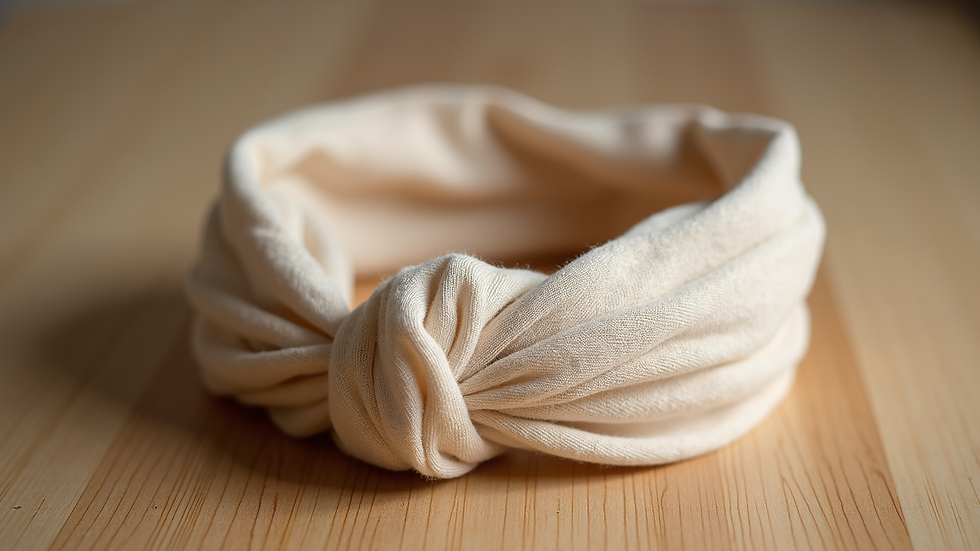
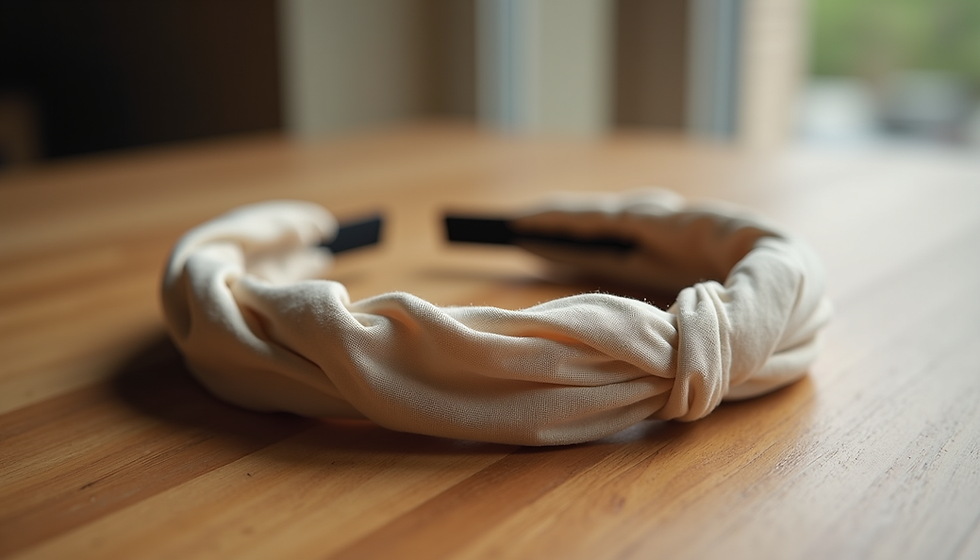
Another example is a versatile headbandscarf made from organic cotton. This accessory can be styled in many ways, making it a practical addition to any wardrobe. Brands like Ninkus are leading the way by creating such sustainable, multi-use products that fit perfectly with a slow fashion lifestyle.
These examples show how slow fashion combines durability, style, and sustainability. They encourage us to think about the story behind each item and its impact on the environment.
How to Start Embracing Slow Fashion Today
If you’re new to slow fashion, start by assessing your current wardrobe. Ask yourself:
Which items do I wear most often?
Are there pieces I never wear or don’t love?
Can I repair or alter any clothes to make them more wearable?
Next, when you shop, try these tips:
Choose quality over quantity: Pick items that feel good and are made to last.
Look for certifications: Organic, Fair Trade, or recycled labels indicate better practices.
Buy second-hand: Thrift shops and online marketplaces are treasure troves for unique, sustainable finds.
Support brands with transparent values: Research how and where your clothes are made.
Remember, slow fashion is a journey, not a race. Every small step counts toward a more sustainable wardrobe and lifestyle.
Why Slow Fashion Matters for the Future
The fashion industry is one of the largest polluters globally. Fast fashion contributes to massive waste, water pollution, and poor working conditions. By choosing slow fashion, we reduce demand for cheap, disposable clothes and encourage better practices.
In the UK, slow fashion supports local economies and helps preserve traditional skills. It also promotes a deeper connection to what we wear, making us more mindful consumers.
Brands like Ninkus are pioneering this change by offering versatile, sustainable products that fit modern lifestyles. Their headbandscarves are just the beginning of a range that will include haircare, body care, and wellbeing items, all designed with slow fashion principles in mind.
By embracing slow fashion, we protect the planet, support ethical businesses, and enjoy clothes that truly reflect our values.
Slow fashion is a powerful way to live more sustainably and stylishly. It invites us to slow down, appreciate quality, and make choices that benefit both people and the planet. If you want to learn more about what is slow fashion uk, this is a great place to start your journey.
Take your time, explore local brands, and enjoy the process of building a wardrobe that lasts. Your future self and the environment will thank you.


Comments